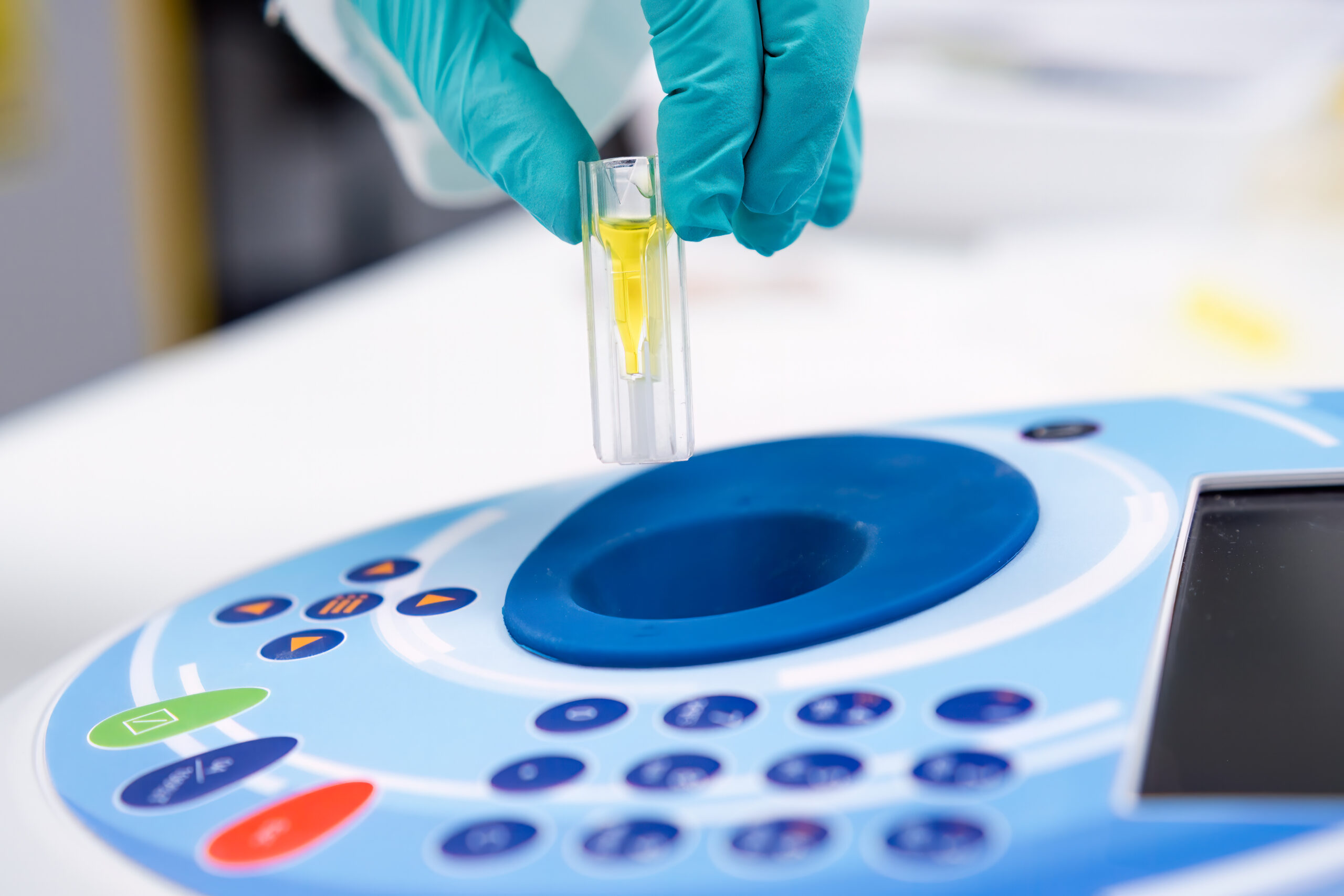
Why Comprehensive Genomic Profiling Matters
Cancer is not a single disease—it is a collection of genetically driven disorders, each shaped by a unique set of molecular alterations. Two patients with the same tumor type and stage may respond very differently to the same therapy because the biology of their cancers is fundamentally different.
This is where comprehensive genomic profiling (CGP), such as FoundationOne® biomarker testing, plays a critical role. By analyzing the DNA of a tumor (or circulating tumor DNA from blood), FoundationOne testing helps decode the molecular drivers of an individual cancer, providing actionable insights that can meaningfully influence treatment decisions.
What Is FoundationOne® Testing?
FoundationOne® is a next-generation sequencing (NGS)–based diagnostic platform that evaluates hundreds of cancer-related genes simultaneously. Depending on the assay used (tumor tissue or liquid biopsy), it can identify:
-
Single nucleotide variants (SNVs)
-
Insertions and deletions (indels)
-
Copy number alterations (amplifications or losses)
-
Gene rearrangements and fusions
-
Genomic signatures, such as:
-
Tumor Mutational Burden (TMB)
-
Microsatellite Instability (MSI)
-
Homologous recombination deficiency (HRD)–related features (in certain cancers)
-
Rather than focusing on one or two biomarkers, FoundationOne provides a panoramic view of the tumor genome, allowing clinicians to understand why a cancer behaves the way it does.
Why Biomarker Testing Should Be Considered Early After Diagnosis
Historically, genomic testing was often reserved for later lines of therapy, after standard treatments failed. However, this paradigm is shifting.
1.
Identifying Actionable Mutations Upfront
Many cancers harbor mutations that may be targetable with FDA-approved therapies or drugs used off-label with strong clinical rationale. Examples include alterations in:
-
EGFR, BRAF, ALK, ROS1
-
KRAS (including specific variants)
-
PIK3CA, ERBB2 (HER2)
-
BRCA1/2 and other DNA repair genes
Knowing whether these alterations are present early can help guide therapy selection, avoid ineffective treatments, and reduce unnecessary toxicity.
2.
Informing Immunotherapy Decisions
FoundationOne testing provides key immunotherapy-related biomarkers, including:
-
Tumor Mutational Burden (TMB)
Higher TMB may correlate with increased neoantigen formation and improved response to immune checkpoint inhibitors in certain contexts.
-
Microsatellite Instability (MSI-H/dMMR)
MSI-high tumors are more likely to respond to PD-1/PD-L1 inhibitors, regardless of tissue of origin.
These biomarkers can be decisive when determining whether immunotherapy is appropriate, especially in cancers where its benefit is not universal.
3.
Guiding Clinical Trial Eligibility
For many patients, particularly those with advanced or metastatic disease, clinical trials offer access to novel and potentially life-extending therapies.
FoundationOne reports link detected genomic alterations to:
-
Ongoing clinical trials
-
Investigational targeted therapies
-
Emerging combination strategies
This can dramatically shorten the time required to identify relevant trials and helps patients and clinicians make informed, proactive decisions.
4.
Avoiding One-Size-Fits-All Treatment
Without molecular insight, treatment decisions often rely on population-based protocols. While these guidelines are valuable, they do not account for individual tumor biology.
Genomic profiling allows clinicians to:
-
Deprioritize therapies unlikely to work
-
Anticipate resistance mechanisms
-
Consider rational combination approaches
-
Support shared decision-making with patients
In this way, biomarker testing supports precision oncology rather than empirical oncology.
Tissue vs. Liquid Biopsy: Expanding Access to Genomic Data
FoundationOne offers both tissue-based and liquid biopsy options:
-
Tissue testing remains the gold standard when adequate tumor tissue is available.
-
Liquid biopsy (circulating tumor DNA) is particularly useful when:
-
Tissue is limited or inaccessible
-
A patient cannot safely undergo biopsy
-
Monitoring resistance or disease evolution over time
-
Liquid biopsies also capture tumor heterogeneity across metastatic sites, which a single tissue biopsy may miss.
Integrating Genomic Data Into the Treatment Process
Importantly, FoundationOne testing does not replace clinical judgment—it enhances it.
Optimal use involves:
-
Interpretation by an experienced oncology team
-
Integration with pathology, imaging, and clinical context
-
Ongoing reassessment as the disease evolves
When combined with thoughtful clinical oversight, genomic data can help transform uncertainty into informed strategy.
Conclusion: Knowledge as a Therapeutic Tool
FoundationOne biomarker testing empowers patients and clinicians with detailed molecular insight into a cancer’s underlying biology. By identifying actionable targets, informing immunotherapy use, and expanding access to clinical trials, comprehensive genomic profiling has become an essential component of modern cancer care.
In an era where precision matters, understanding the genomic fingerprint of a tumor is no longer optional—it is foundational.