For decades, cancer treatment was largely guided by where a tumor originated in the body—lung, breast, colon, prostate. While tumor location still matters, it tells only a small part of the story. Today, oncology is undergoing a fundamental shift: cancer is increasingly being defined and treated by its biological and molecular signature, not just its anatomical site. This transformation is being driven by one powerful tool: biomarkers.
Biomarkers are reshaping how cancers are detected, classified, treated, and monitored. They are enabling a more precise, individualized, and effective approach to care—often referred to as precision oncology.
What Are Cancer Biomarkers?
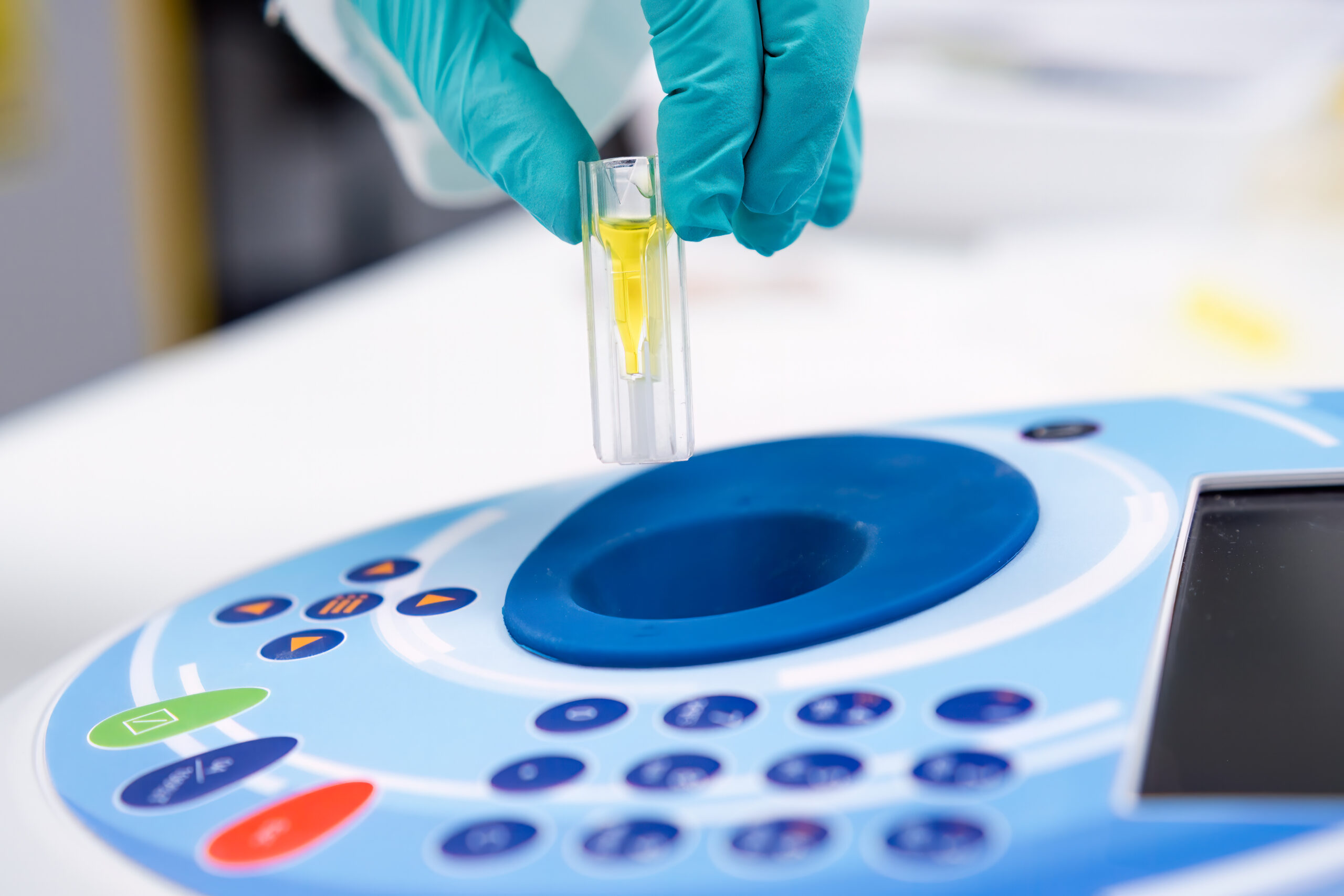
A biomarker is any measurable biological characteristic that provides information about what is happening inside the body. In cancer care, biomarkers can be found in blood, tissue, saliva, or other biological samples and may include:
-
Genetic mutations in tumor DNA
-
Protein expression patterns
-
Immune system markers
-
Circulating tumor DNA (ctDNA)
-
Metabolic or inflammatory signals
These markers provide insight into how a tumor behaves, how aggressive it may be, which therapies it may respond to, and how it is evolving over time.
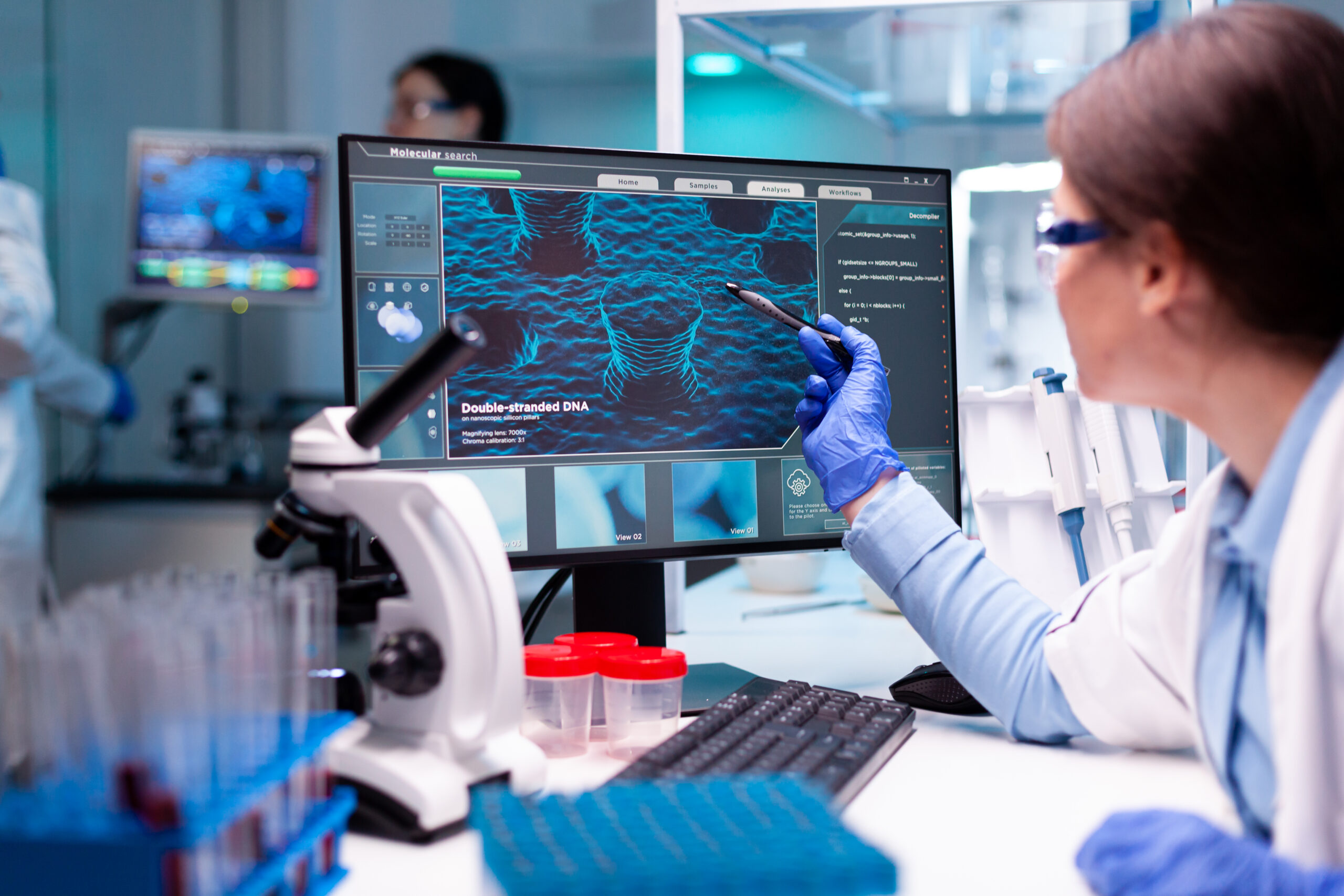
Rather than treating all cancers of the same type the same way, biomarker testing allows clinicians to identify the unique molecular profile of each patient’s tumor.
From One-Size-Fits-All to Precision Medicine
Traditional cancer therapy often relied on broad-acting treatments such as chemotherapy and radiation, which target rapidly dividing cells but do not distinguish between healthy and malignant tissue. While these approaches can be lifesaving, they also produce significant toxicity and may not work for every patient.
Biomarkers make it possible to move beyond this generalized approach.
For example:
-
A lung tumor with an EGFR mutation may respond dramatically to EGFR-targeted therapy.
-
A breast cancer expressing HER2 may benefit from HER2-targeted drugs.
-
A tumor with high PD-L1 expression may respond to immune checkpoint inhibitors.
Without biomarker testing, these powerful therapies may never be offered—or may be offered to patients unlikely to benefit.
Biomarkers Improve Treatment Selection
One of the most impactful roles of biomarkers is helping clinicians choose the right therapy for the right patient at the right time.
By analyzing a tumor’s molecular features, clinicians can:
-
Identify actionable mutations
-
Predict treatment response
-
Avoid therapies that are unlikely to work
-
Reduce unnecessary side effects
-
Improve overall outcomes
This leads to more efficient, cost-effective, and humane cancer care.
Monitoring Cancer in Real Time with Liquid Biopsy
One of the most exciting advances in biomarker technology is the use of liquid biopsy. Instead of relying solely on tissue biopsies, clinicians can now analyze fragments of tumor DNA circulating in the bloodstream.
This allows for:
-
Non-invasive tumor monitoring
-
Early detection of relapse
-
Identification of treatment resistance
-
Real-time tracking of tumor evolution
Liquid biopsy provides a dynamic view of cancer biology, offering insights that were previously impossible to obtain without repeated invasive procedures.
Biomarkers Guide Immunotherapy
Immunotherapies, such as PD-1, PD-L1, and CAR-T treatments, have transformed oncology—but they do not work for everyone.
Biomarkers help identify which patients are most likely to respond by measuring:
-
Immune checkpoint protein expression
-
Tumor mutational burden
-
Immune cell infiltration
-
Microsatellite instability
These markers help clinicians determine whether immunotherapy is likely to be effective or whether alternative strategies should be considered.
Reducing Overtreatment and Toxicity
One of the hidden benefits of biomarker-guided care is the reduction of unnecessary treatment.
Patients whose tumors lack certain targets can avoid therapies that would not help them—sparing them from toxicity, financial burden, and emotional strain. This represents a major ethical and medical advancement in oncology.
The Future of Cancer Care Is Data-Driven
As biomarker science continues to evolve, cancer care is becoming increasingly personalized, predictive, and proactive.
Future developments will likely include:
-
AI-driven biomarker interpretation
-
Multi-omic tumor profiling
-
Earlier detection through blood-based screening
-
Better prediction of treatment resistance
-
More precise therapy combinations
Cancer is no longer viewed as a single disease—it is a collection of biologically distinct conditions, each requiring a tailored approach.
Why This Matters for Patients and Clinicians
For patients, biomarker testing offers clarity, empowerment, and better outcomes. For clinicians, it provides deeper insight and stronger decision-making tools. For biotech and diagnostics companies, biomarkers are driving innovation, clinical trial design, and next-generation therapies.
Precision oncology is not a future vision—it is already here, and biomarkers are the foundation on which it is built.
About the Author
Kim Lockheimer, PhD, DFM is a molecular oncology specialist, biomarker consultant, and medical writer. As the founder of Mitotics® Biolabs, she helps translate complex cancer science into clinically meaningful, patient-centered, and scientifically rigorous communication.